 Ancient Wonders
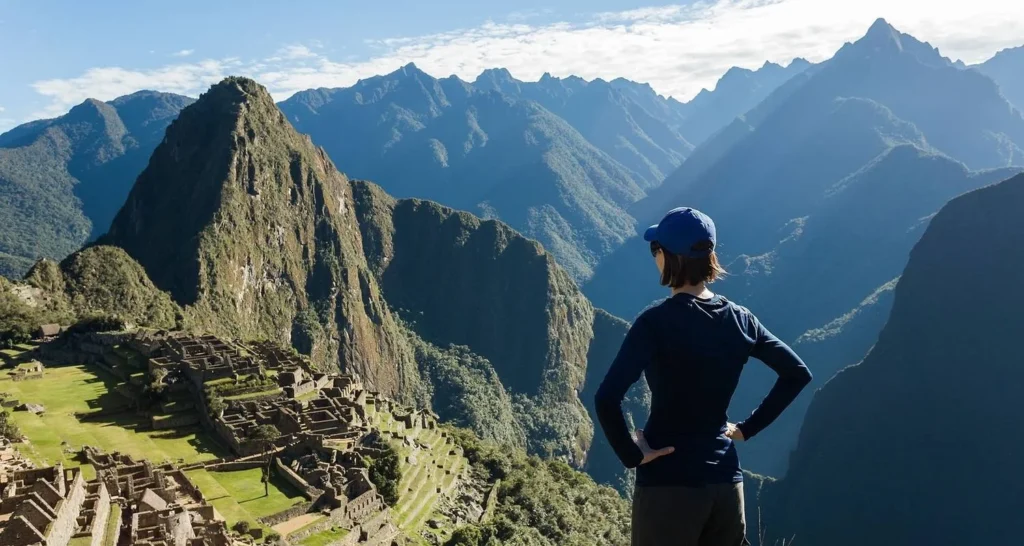
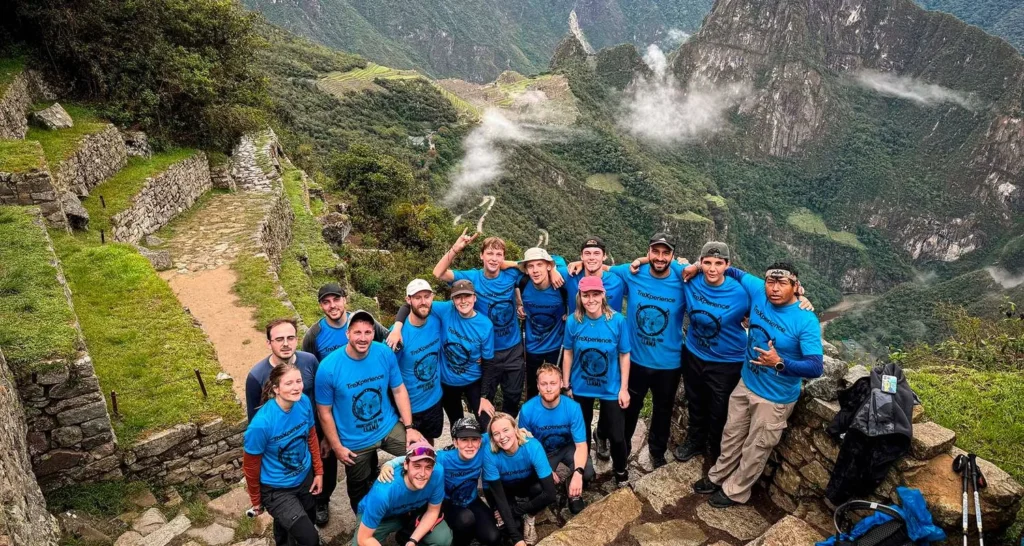
4-Day Inca Trail Trek to Machu Picchu with Vistadome Return
#Local Lore Hunting#Menty B Travel
From$770


9 tours · 761 reviews
A hiking & trekking tour is a guided multi-day walk through mountains, valleys or coastlines, with route-finding, accommodation, meals and often luggage transfers organised for you. You carry a light daypack and focus on the walking — the hard logistics are done.
Updated October 2026
Ancient Wonders #Local Lore Hunting#Menty B Travel
 Ancient Wonders
#Local Lore Hunting#Menty B Travel
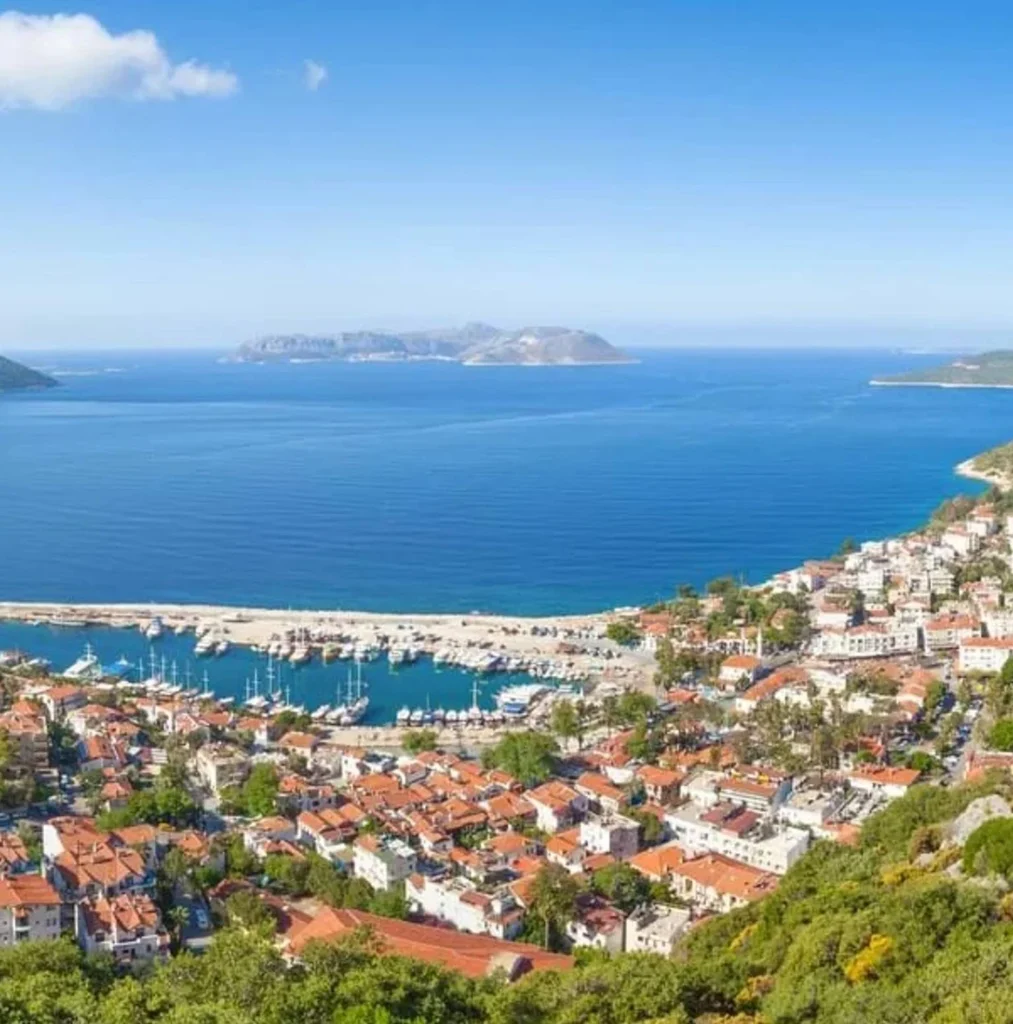 Hiking & Trekking
#Local Lore Hunting#Menty B Travel
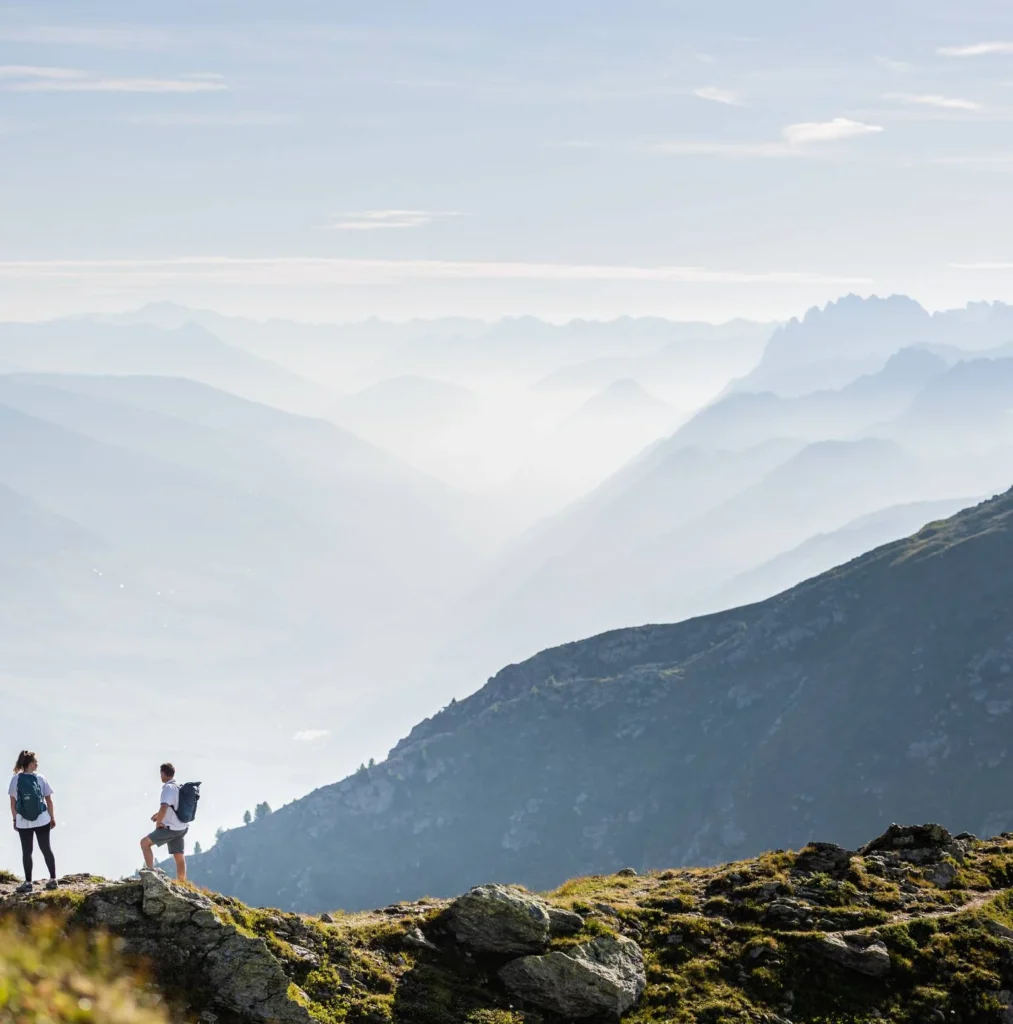 Hiking & Trekking
#Menty B Travel
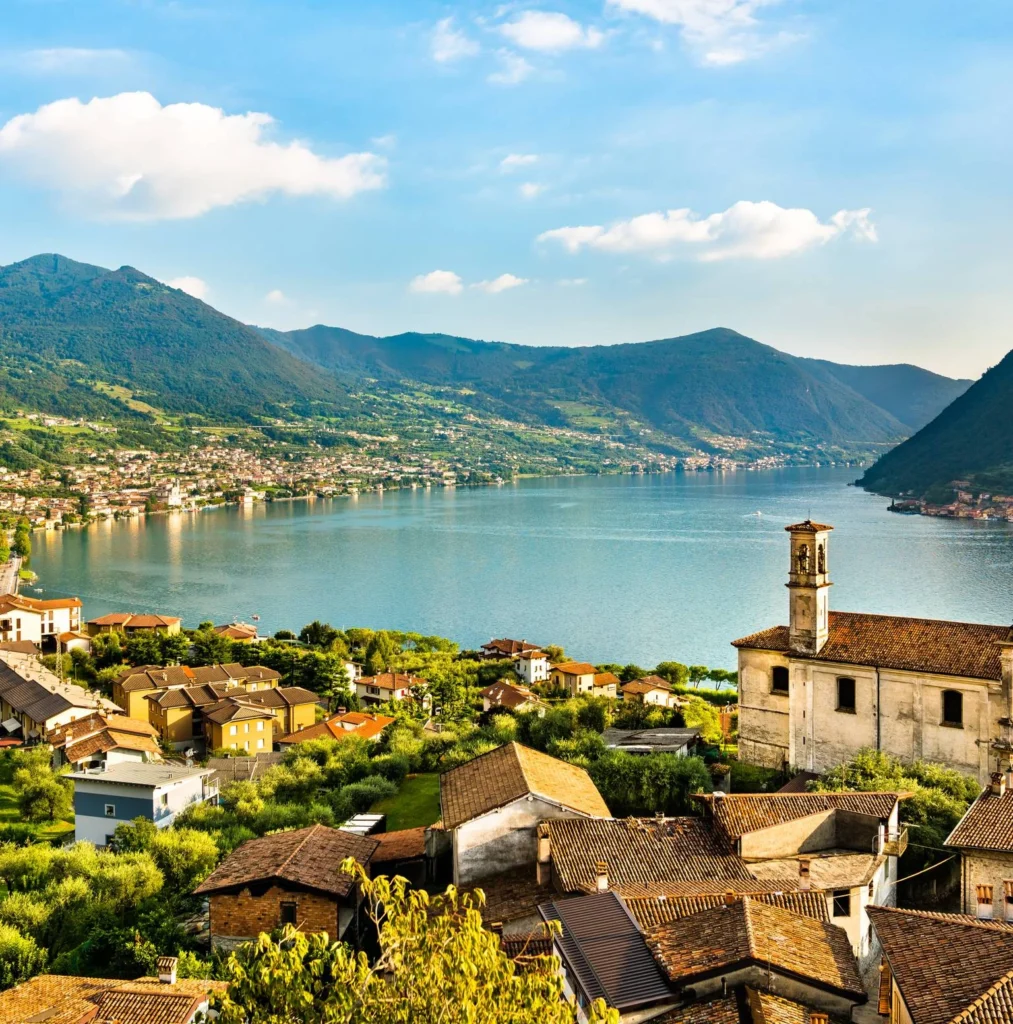 Hiking & Trekking
#Menty B Travel
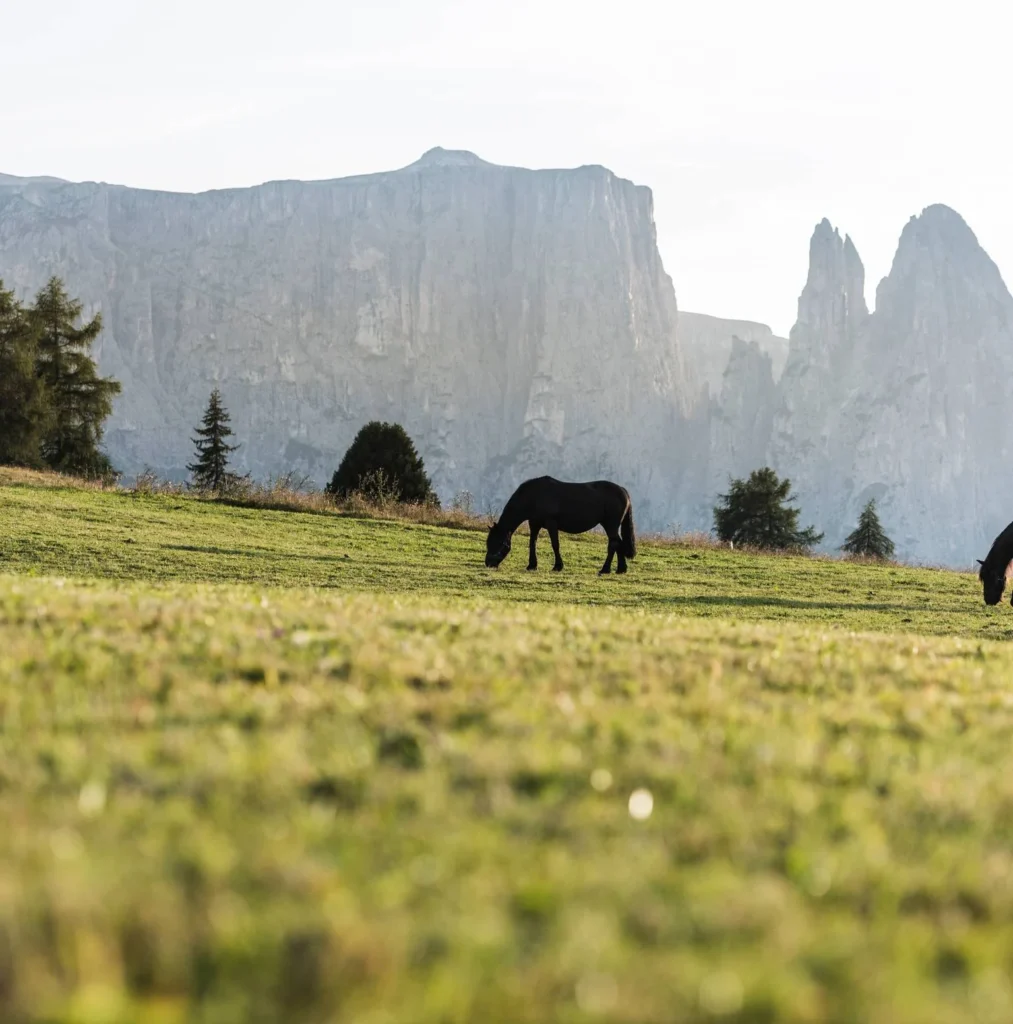 Hiking & Trekking
#De-influenced Travel#Menty B Travel
 Hiking & Trekking
#Menty B Travel
 Hiking & Trekking
#Menty B Travel
Expect four to seven hours of walking a day on most treks, broken up by long lunch stops and viewpoints. The pace is set for the group, and the guide adjusts it to the slowest walker, not the fastest.
Accommodation follows the landscape: family-run teahouses in the Himalaya, refuges in the Alps, guesthouses in villages. Simple, warm and part of the experience — not a hotel chain.
On high treks the itinerary includes acclimatisation days and a 'climb high, sleep low' rhythm. Experienced guides watch for altitude symptoms and will turn back when health comes first.
On many routes your main bag travels by porter, mule or vehicle to the next stop, so you only carry water, snacks and a layer. Check each tour page for the luggage weight limit.
You should be able to walk five to six hours on hilly terrain and repeat it the next day. Train with long walks and stairs for six to eight weeks before you go; it makes the trip far more enjoyable.
October to November gives the clearest mountain views and stable weather, and March to May brings rhododendron blooms. The summer monsoon (June to September) makes many trails wet and cloudy.
Most national parks and conservation areas require permits, and the rules change from season to season. On a guided tour the operator arranges them — check the 'What's included' section of the tour.
Broken-in hiking boots, moisture-wicking layers, a warm down or fleece jacket, a waterproof shell, a hat, gloves and a headlamp. A 25–35 litre daypack is ideal. Sleeping bags can often be rented locally.
Guides are trained to handle it: depending on the route you may rest, descend with an assistant guide or be evacuated. This is why travel insurance with high-altitude and evacuation cover is essential.
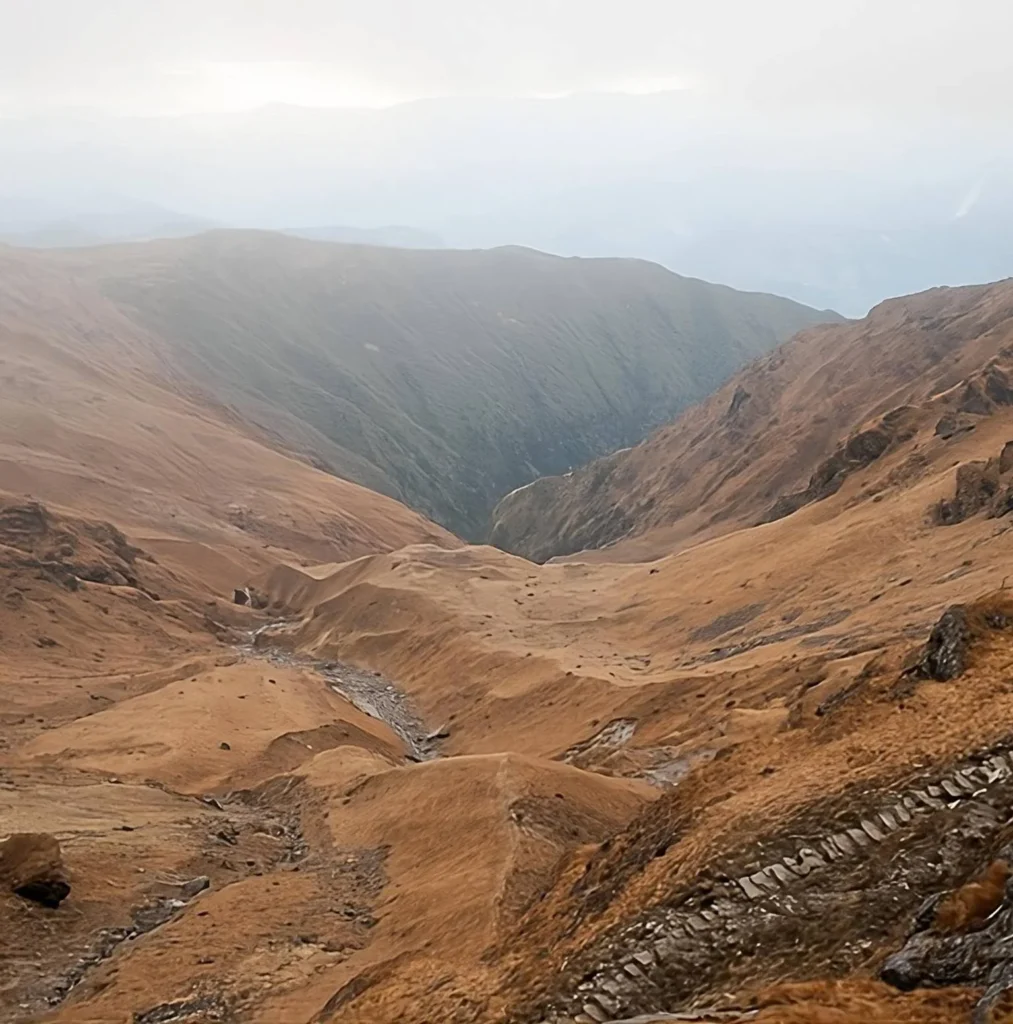
A first Himalayan trek is easier to plan than you think. When to go, how fit you need to be, what teahouses are like and how to handle altitude.