When to See the Northern Lights in Iceland — and How to Boost Your Chances
The northern lights season in Iceland runs from September to April. Here is how to pick your dates, read the forecast and photograph the aurora.

0 tours
A northern lights tour takes you to the Arctic or sub-Arctic between September and April, combining dark-sky aurora hunts with daytime highlights like glaciers, waterfalls and hot springs. Guides track the forecast and cloud cover every night to give you the best possible chance.
Updated Ekim 2026
Aurora chasing is a game of patience. Your guide checks solar activity and cloud forecasts every afternoon and drives to wherever the sky is clearest — sometimes that means a late night and a hot chocolate in a dark field.
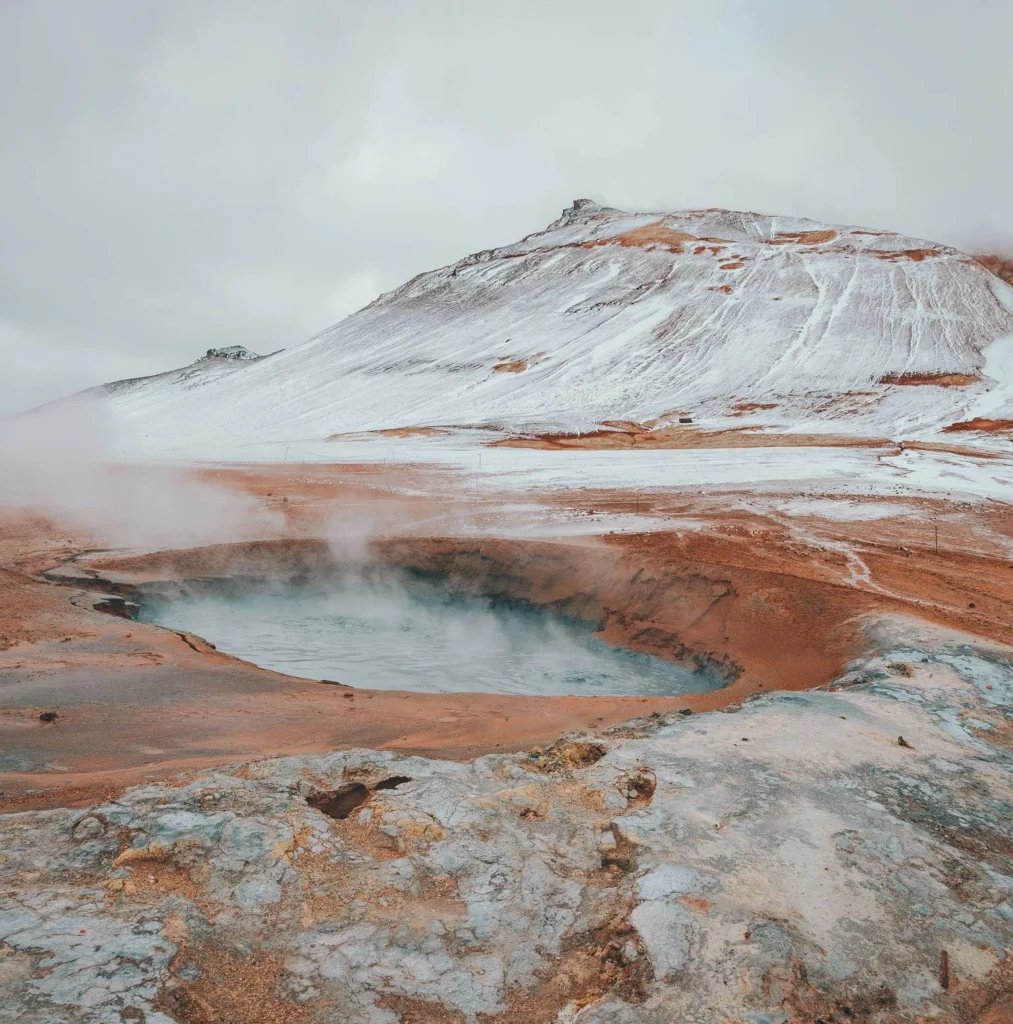
Winter days are short but spectacular: black-sand beaches, frozen waterfalls, glacier walks and geothermal pools. Even if the sky stays shy, the landscape alone is worth the trip.
Expect warm, cosy accommodation in quiet locations away from city light, and itineraries planned around winter driving conditions. Good operators keep a weather buffer in the plan.
Many guides will help you set up your camera or phone for night shots. Bring a small tripod if you have one — it makes the difference between a blur and a keeper.
The aurora season in Iceland and the Nordic Arctic runs from about September to April, when nights are long and dark. The weeks around the September and March equinoxes are often especially active, and clear, moonless nights give the best displays.
No honest operator can guarantee it — the lights depend on solar activity and clear skies. A multi-night tour with several hunting chances gives you the best odds, and some operators offer a free second try if you miss them.
In Iceland winter temperatures usually hover around freezing, but wind makes it feel colder; further north it can drop well below −15 °C. Thermal base layers, a windproof outer layer, a warm hat and insulated boots are a must.
Yes, most recent phones have a night mode that captures the aurora well. Keep the phone steady — on a tripod or a solid surface — and turn off the flash.
Iceland is part of the Schengen Area, so Schengen rules apply. Many nationalities can visit visa-free for short stays, but the EU's new digital border systems are being introduced, so check official Schengen sources before you travel.
 De-influenced Travel
1 tour
Skip the overhyped hotspots: underrated places, honest value and no influencer queues.
See more
Local Lore Hunting
1 tour
Myths, legends, folk tales and local stories, told by the people who live them.
See more
Menty B Travel
1 tour
A reset for your head: nature, slow days, small groups and space to breathe after a busy stretch.
See moreThe northern lights season in Iceland runs from September to April. Here is how to pick your dates, read the forecast and photograph the aurora.
We are hand-picking tours for this style. Meanwhile, explore all tours.
Show all tours