

Key takeaways
- October–November and March–May are the best trekking seasons in Nepal.
- You need moderate fitness: 5–7 hours of walking a day on steep paths, repeated for several days.
- Teahouses are simple family-run lodges with shared dining rooms and hearty food like dal bhat.
- Go up slowly: acclimatisation days are what make high treks safe and enjoyable.
- Permits and regulations change, so trek with a licensed guide and check official sources.
A first trek in Nepal is far more accessible than most people imagine. If you can walk five to seven hours a day on hilly paths, you can do a classic teahouse trek: you sleep in family-run lodges, eat hot meals every night and carry only a daypack while a porter takes your bag. The best seasons are October–November, for clear mountain views, and March–May, when the rhododendrons bloom.
What is a teahouse trek?
A teahouse trek is a multi-day hike between mountain villages where you stay in simple lodges called teahouses. Each one has small twin rooms, shared or private bathrooms, and a warm dining room with a stove where everyone gathers in the evening. It’s the opposite of camping: no tents, no carrying food — just walking, eating and sleeping in some of the most spectacular scenery on Earth.
When is the best time to trek in Nepal?
- October–November: the classic season, with stable weather and crystal-clear views of the peaks. Also the busiest.
- March–May: warmer days, spring flowers and a little more haze in the afternoons.
- December–February: clear but cold, especially at night above 3,000 metres; great for quieter, lower treks.
- June–September: the monsoon brings rain, cloud and leeches on many trails — best avoided for a first trek.
How fit do I need to be?
Fitness matters more than experience. A typical day means three to five hours of climbing or descending on stone steps and paths, with long breaks for tea and lunch. The hardest part for most beginners is the descents, which are tough on the knees. Six to eight weeks of preparation — long weekend hikes, stairs, a few hours with a loaded daypack — makes the trek far more enjoyable. Trekking poles help a lot.
What is altitude sickness and how do I avoid it?
Above roughly 2,500 metres the air holds less oxygen, and some people get headaches, nausea or trouble sleeping. The cure is time: a good itinerary climbs slowly and includes rest days for your body to adapt. Walk at a steady, conversational pace, drink plenty of water, avoid alcohol up high and tell your guide at the first sign of symptoms. If symptoms get worse, the rule is simple — go down. Talk to your doctor about medication before you travel, and choose travel insurance that covers high-altitude trekking and helicopter evacuation.
What will I eat on the trail?
The trekker’s fuel is dal bhat: rice, lentil soup, vegetable curry and pickles, with free refills — locals swear by it (“dal bhat power, 24 hour”). Menus also offer noodles, momo dumplings, porridge, eggs and the occasional apple pie. Food is cooked fresh, and vegetarian options are everywhere. Higher up, prices rise because everything is carried in by porters or mules.
Why go with a guide?
A licensed guide finds the right teahouses, reads the weather, watches your health at altitude and translates village life into stories. Regulations for independent trekking have tightened in recent years and permit rules change, so going with a registered operator also saves you the paperwork. Porters carry up to around 15–20 kg shared between two trekkers; tipping your guide and porter at the end is customary and deeply appreciated.
What should I pack?
- Broken-in hiking boots and comfortable camp shoes.
- Layers: thermal top and bottom, fleece, down jacket, waterproof shell.
- Warm hat, sun hat, gloves, sunglasses and high-SPF sunscreen.
- A four-season sleeping bag (can often be rented in Kathmandu or Pokhara).
- Headlamp, water filter bottle, blister kit and a small power bank.
Which trek is right for a first time?
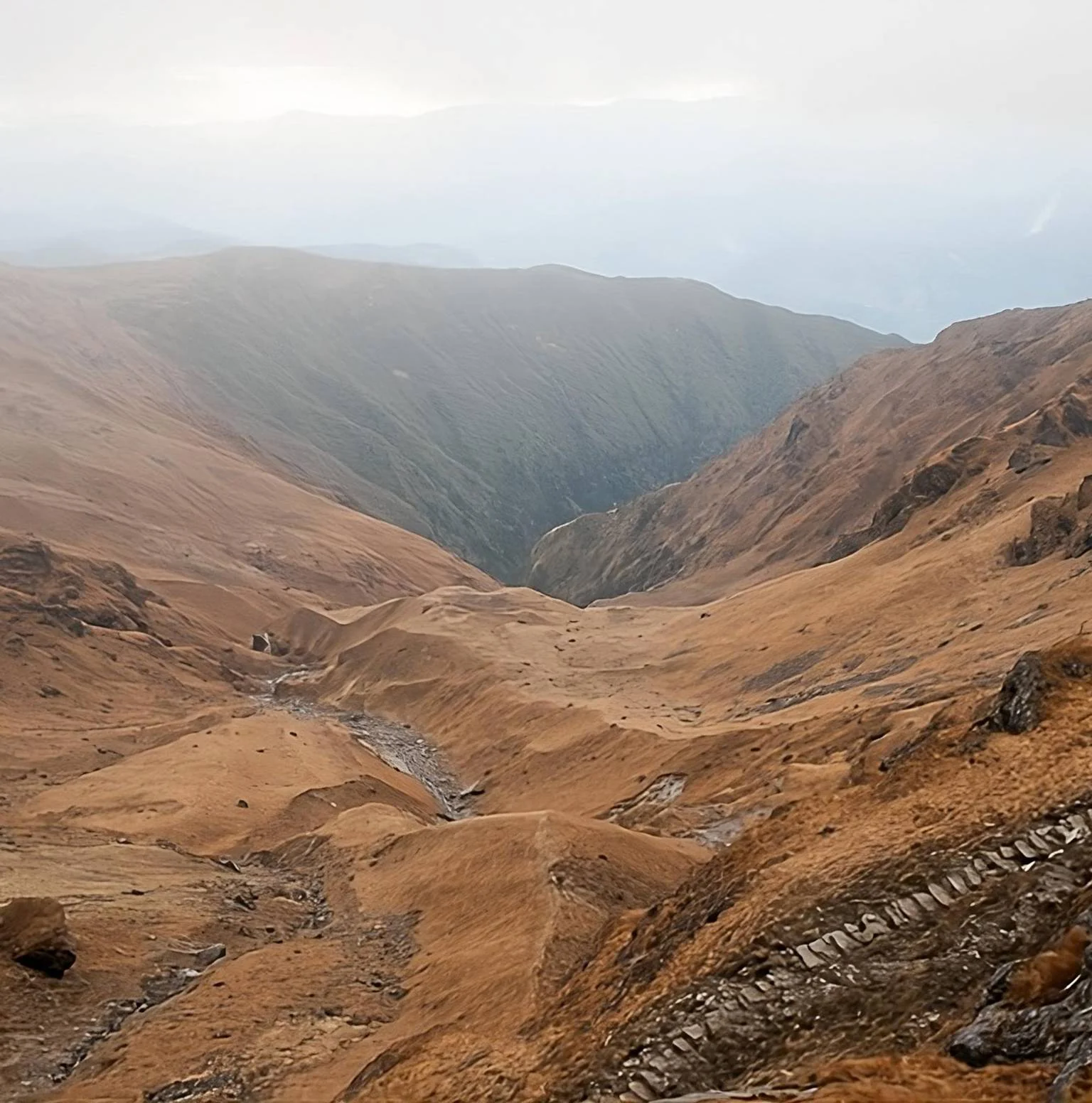
Look for routes with a highest point between 3,000 and 4,000 metres and five to ten days of walking — such as Kopra Ridge, Poon Hill or Mardi Himal in the Annapurna region. They offer sunrise views of eight-thousand-metre peaks without the altitude and crowds of Everest Base Camp, and many pass through villages where community lodges support local schools and families.
Frequently asked questions
Do I need experience to trek in Nepal?
No technical experience is needed for teahouse treks such as Kopra Ridge, Poon Hill or the lower Annapurna trails. Regular hiking and good fitness are enough.
How high do beginner treks go?
Many classic beginner treks top out between 3,000 and 4,000 metres, high enough for spectacular views but with lower altitude risk than Everest Base Camp.
Is the water safe to drink on the trail?
Do not drink untreated tap or stream water. Use a filter bottle or purification tablets, or buy boiled water at teahouses to reduce plastic waste.
Can I charge my phone in teahouses?
Most teahouses offer charging for a small fee, and many have Wi-Fi, though it can be slow or unavailable higher up. A power bank is a smart backup.