Trekking in Nepal for Beginners: What a Himalayan Teahouse Trek Is Really Like
A first Himalayan trek is easier to plan than you think. When to go, how fit you need to be, what teahouses are like and how to handle altitude.


Nepal tours are built around the Himalaya: guided treks to viewpoints like Kopra Ridge or Everest and Annapurna regions, combined with Kathmandu's temples and Buddhist culture. The best trekking seasons are October–November and March–May.
Updated October 2026
0 tours
Try another month, a longer duration or remove a filter.
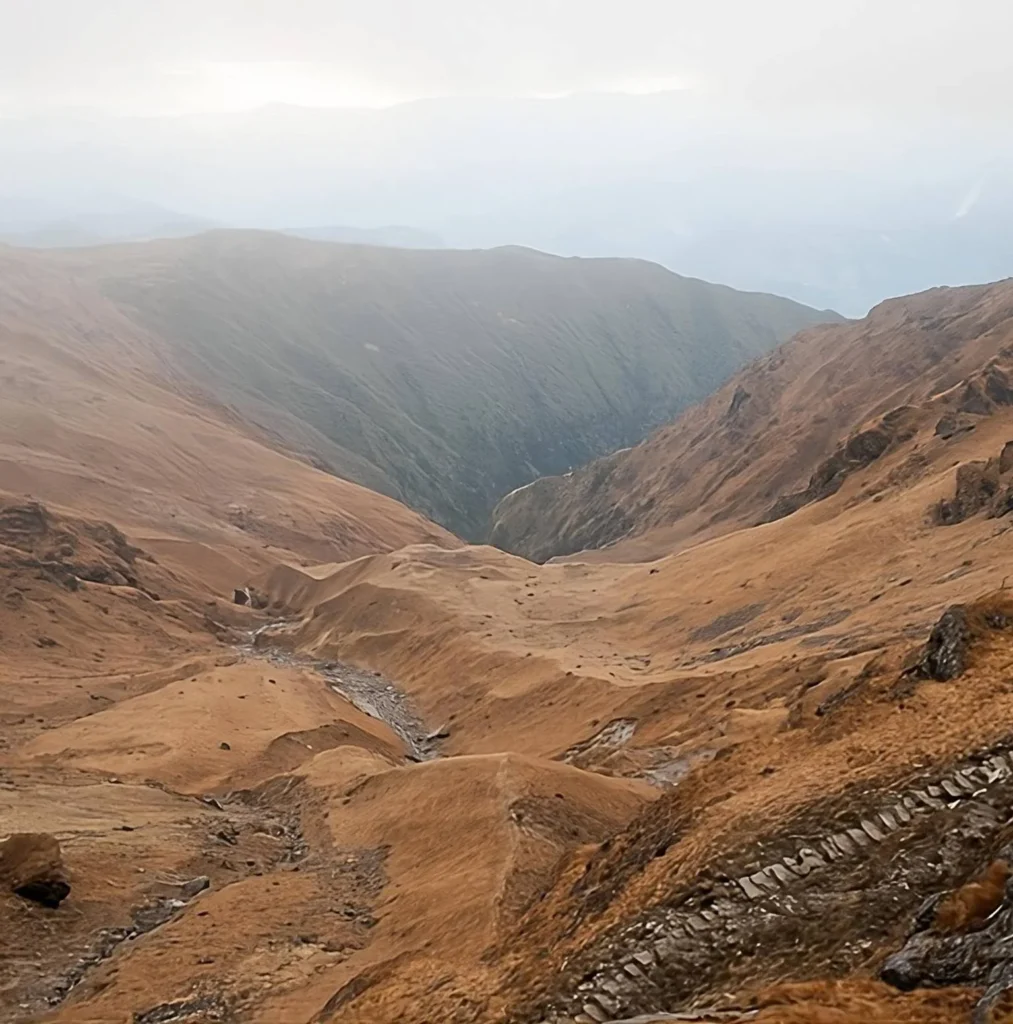
On a clear morning you'll see several of the world's highest peaks from the trail. Sunrise from a ridge, with the summits turning pink, is the moment most trekkers never forget.
On most treks you sleep in family-run teahouses: simple rooms, a warm dining room with a stove, dal bhat for dinner and stories with other trekkers. Comfort is basic, the welcome is not.
Itineraries include acclimatisation stops to let your body adapt to altitude. Walking slowly and drinking plenty of water is the secret to reaching the top feeling good.
Kathmandu's squares, prayer flags on every pass and Buddhist monasteries add depth to the walking. Expect to spin prayer wheels and share tea with monks.
October and November offer the clearest skies and stable weather; March to May is the second best season, with spring flowers. The monsoon from June to September brings rain, clouds and leeches on many trails.
Most travelers can get a tourist visa on arrival at Kathmandu airport or apply in advance, with fees depending on the length of stay. Check the Nepal Department of Immigration website for current fees and requirements.
National parks and conservation areas require permits, and regulations for independent trekking have been tightened in recent years. On a guided tour the operator organises permits and a licensed guide for you.
Ascend gradually, take the acclimatisation days seriously, drink plenty of water and tell your guide about headaches or nausea early. Talk to your doctor before the trip about medication.
Moderate fitness is enough for lower and mid-altitude treks: you'll walk five to seven hours a day on steep paths. Training with long hikes and stairs beforehand makes a big difference.
A first Himalayan trek is easier to plan than you think. When to go, how fit you need to be, what teahouses are like and how to handle altitude.