When to See the Northern Lights in Iceland — and How to Boost Your Chances
The northern lights season in Iceland runs from September to April. Here is how to pick your dates, read the forecast and photograph the aurora.


Iceland tours explore waterfalls, glaciers, black-sand beaches and geothermal lagoons, mostly along the South Coast and the Golden Circle. Summer brings the midnight sun; from September to April you can hunt the northern lights. Most guided trips last 5 to 10 days.
Updated October 2026
1 tour
Try another month, a longer duration or remove a filter.
Iceland is waterfalls you can walk behind, glaciers you can stand on and beaches of black volcanic sand. Distances between sights are short, so even a few days feel full.
Conditions change fast. Good guides keep the plan flexible and move activities around wind and road closures — that's one big reason to travel with a guide in winter.
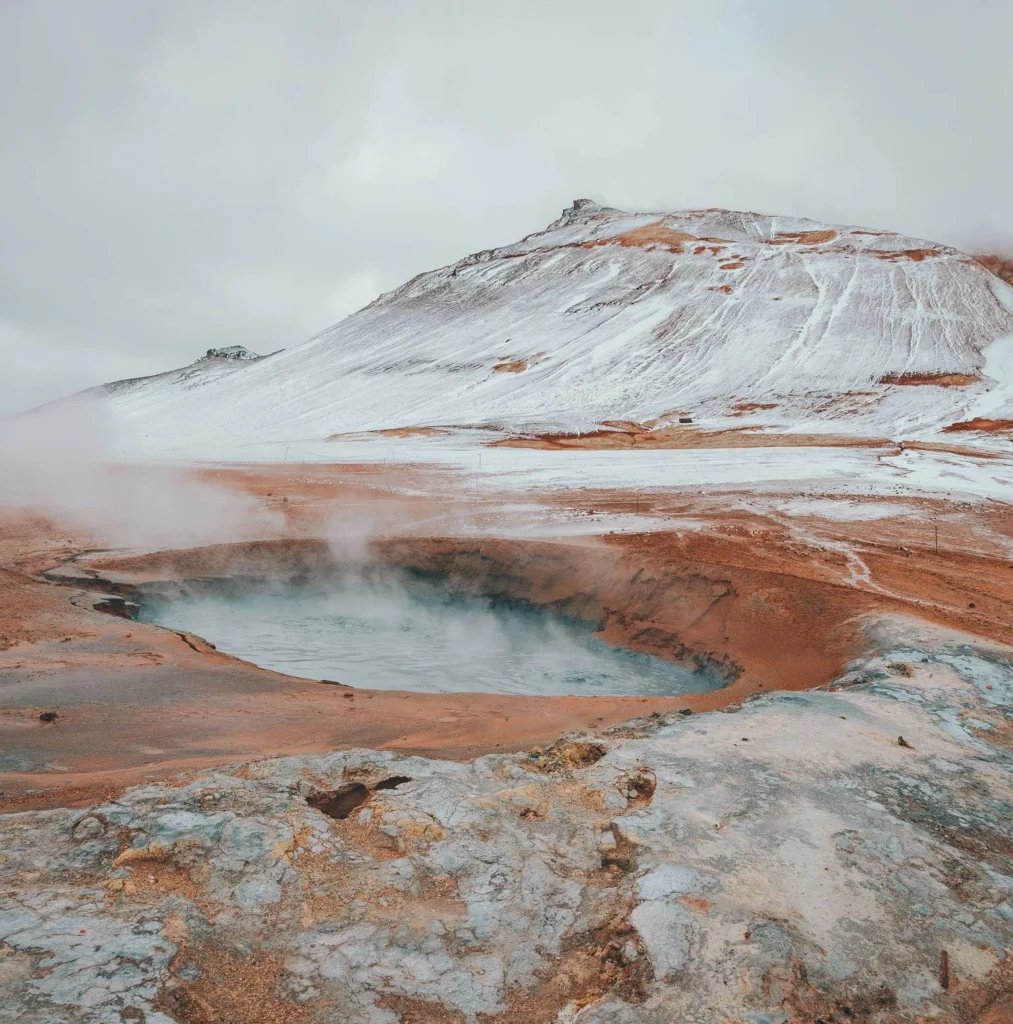
Geothermal pools and lagoons are part of daily life. A soak after a glacier walk is one of the great small joys of travel.
Expect comfortable country hotels and guesthouses outside the towns — quiet, dark at night, and perfect for checking the sky for the aurora.
June to August brings long days, open highland roads and the mildest weather. September to April is the season for the northern lights, ice caves and snowy landscapes, with short days.
Yes, from roughly September to April on clear, dark nights. Sightings depend on solar activity and cloud cover, so choose a tour with several nights outside Reykjavík.
Iceland is part of the Schengen Area. Many nationalities can visit visa-free for short stays, and the EU's digital Entry/Exit System now registers non-EU travelers at the border. Check official Schengen sources for your passport.
Iceland is one of the more expensive destinations, especially for food and drinks. A tour that includes accommodation, transport and many meals makes your budget far easier to control.
Winter roads can be icy and windy, and weather changes quickly. Many travelers prefer a guided tour in winter so experienced local drivers handle the conditions.
The northern lights season in Iceland runs from September to April. Here is how to pick your dates, read the forecast and photograph the aurora.