Welcome to WordPress. This is your first post. Edit or delete it, then start writing!
Yazar: admin
-
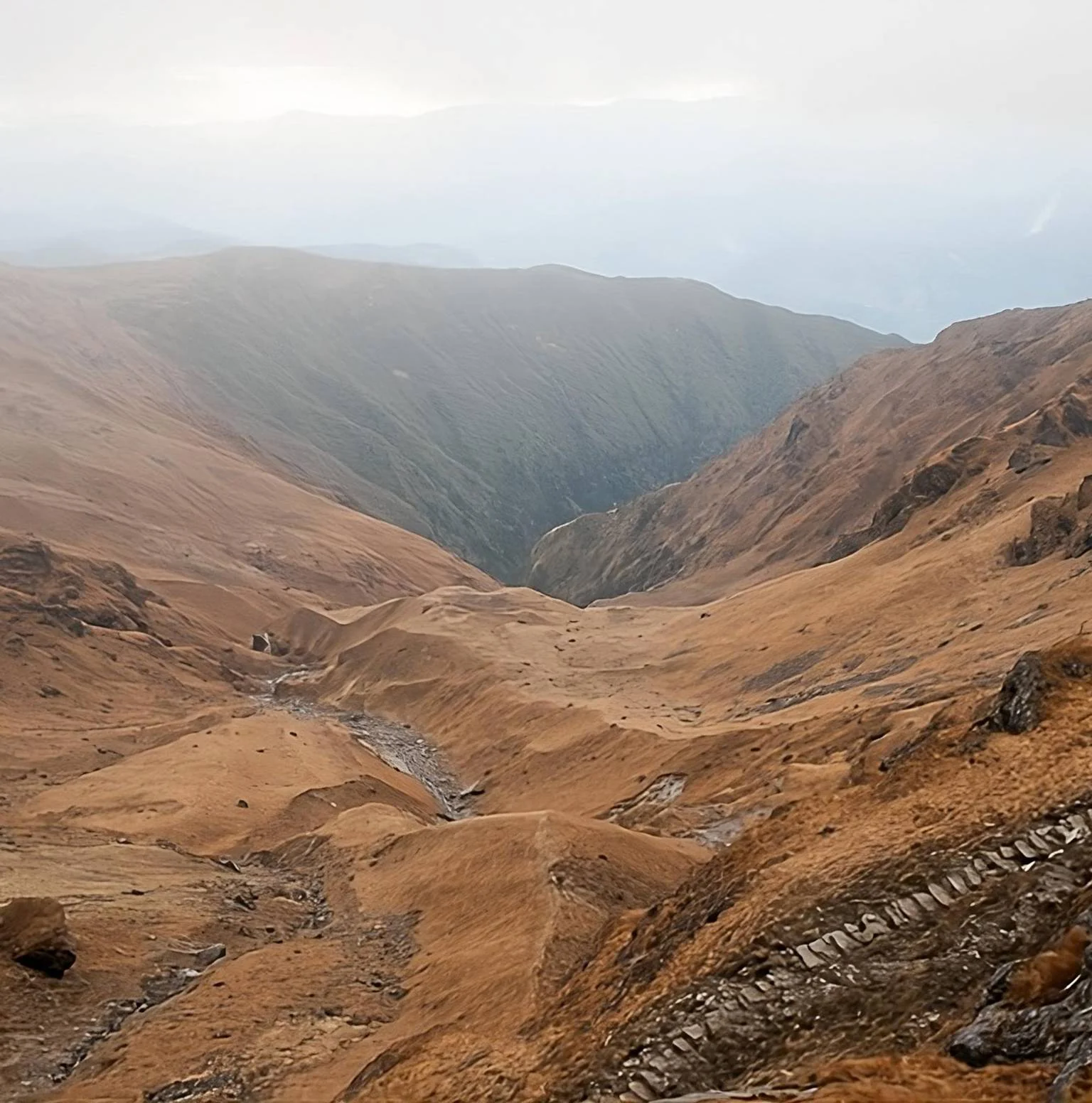
Trekking in Nepal for Beginners: What a Himalayan Teahouse Trek Is Really Like
A first trek in Nepal is far more accessible than most people imagine. If you can walk five to seven hours a day on hilly paths, you can do a classic teahouse trek: you sleep in family-run lodges, eat hot meals every night and carry only a daypack while a porter takes your bag. The best seasons are October–November, for clear mountain views, and March–May, when the rhododendrons bloom.
What is a teahouse trek?
A teahouse trek is a multi-day hike between mountain villages where you stay in simple lodges called teahouses. Each one has small twin rooms, shared or private bathrooms, and a warm dining room with a stove where everyone gathers in the evening. It’s the opposite of camping: no tents, no carrying food — just walking, eating and sleeping in some of the most spectacular scenery on Earth.
When is the best time to trek in Nepal?
- October–November: the classic season, with stable weather and crystal-clear views of the peaks. Also the busiest.
- March–May: warmer days, spring flowers and a little more haze in the afternoons.
- December–February: clear but cold, especially at night above 3,000 metres; great for quieter, lower treks.
- June–September: the monsoon brings rain, cloud and leeches on many trails — best avoided for a first trek.
How fit do I need to be?
Fitness matters more than experience. A typical day means three to five hours of climbing or descending on stone steps and paths, with long breaks for tea and lunch. The hardest part for most beginners is the descents, which are tough on the knees. Six to eight weeks of preparation — long weekend hikes, stairs, a few hours with a loaded daypack — makes the trek far more enjoyable. Trekking poles help a lot.
What is altitude sickness and how do I avoid it?
Above roughly 2,500 metres the air holds less oxygen, and some people get headaches, nausea or trouble sleeping. The cure is time: a good itinerary climbs slowly and includes rest days for your body to adapt. Walk at a steady, conversational pace, drink plenty of water, avoid alcohol up high and tell your guide at the first sign of symptoms. If symptoms get worse, the rule is simple — go down. Talk to your doctor about medication before you travel, and choose travel insurance that covers high-altitude trekking and helicopter evacuation.
What will I eat on the trail?
The trekker’s fuel is dal bhat: rice, lentil soup, vegetable curry and pickles, with free refills — locals swear by it (“dal bhat power, 24 hour”). Menus also offer noodles, momo dumplings, porridge, eggs and the occasional apple pie. Food is cooked fresh, and vegetarian options are everywhere. Higher up, prices rise because everything is carried in by porters or mules.
Why go with a guide?
A licensed guide finds the right teahouses, reads the weather, watches your health at altitude and translates village life into stories. Regulations for independent trekking have tightened in recent years and permit rules change, so going with a registered operator also saves you the paperwork. Porters carry up to around 15–20 kg shared between two trekkers; tipping your guide and porter at the end is customary and deeply appreciated.
What should I pack?
- Broken-in hiking boots and comfortable camp shoes.
- Layers: thermal top and bottom, fleece, down jacket, waterproof shell.
- Warm hat, sun hat, gloves, sunglasses and high-SPF sunscreen.
- A four-season sleeping bag (can often be rented in Kathmandu or Pokhara).
- Headlamp, water filter bottle, blister kit and a small power bank.
Which trek is right for a first time?
Look for routes with a highest point between 3,000 and 4,000 metres and five to ten days of walking — such as Kopra Ridge, Poon Hill or Mardi Himal in the Annapurna region. They offer sunrise views of eight-thousand-metre peaks without the altitude and crowds of Everest Base Camp, and many pass through villages where community lodges support local schools and families.
-
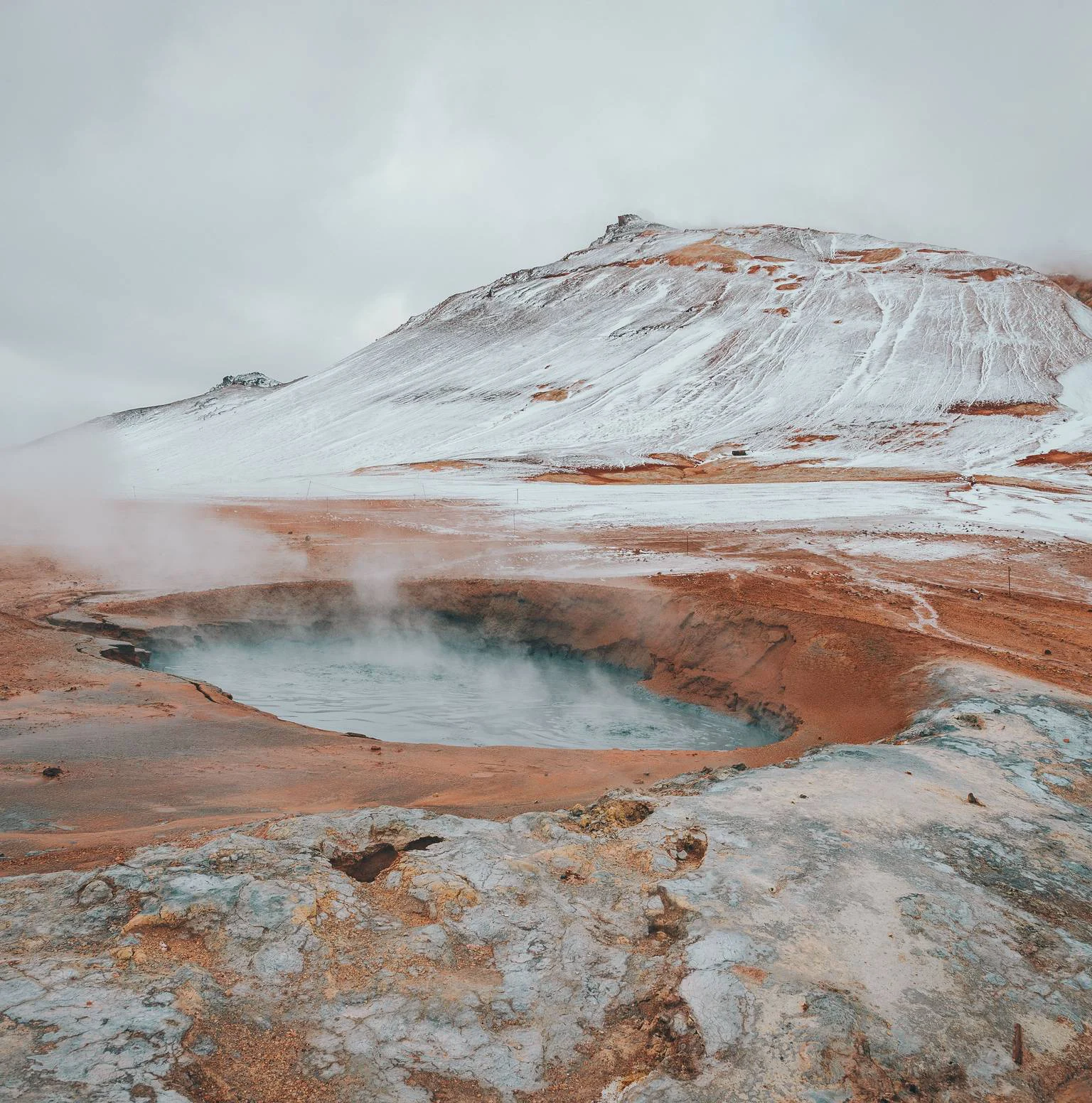
When to See the Northern Lights in Iceland — and How to Boost Your Chances
You can see the northern lights in Iceland from about September to April, on clear, dark nights away from city lights. If you can choose, aim for September–October or March: nights are long enough for the aurora, the weather is usually milder than in mid-winter, and the weeks around the equinoxes are often especially active.
What causes the northern lights?
The aurora borealis appears when particles from the sun hit the Earth’s magnetic field and collide with gases high in the atmosphere. Oxygen glows green — the colour you’ll see most — while rarer reds and purples appear during strong displays. Iceland sits right under the “auroral oval”, the ring around the Arctic where the lights are most frequent.
When exactly is the season?
Iceland has almost 24-hour daylight from late May to July, so the aurora is invisible in summer even when it’s active. From late August the nights darken again, and by mid-September you have real chances. The season continues until mid-April.
- September–October: dark nights, autumn colours, roads open everywhere, often fewer storms.
- November–February: the longest nights, snowy landscapes and ice caves — but also more cloud and wind.
- March–early April: lengthening days, snowy scenery and another strong window around the spring equinox.
How do I read the aurora forecast?
Two forecasts matter, and most travelers only check one. The first is geomagnetic activity, usually shown as the KP index from 0 to 9. In Iceland, even KP 2–3 can give a lovely display. The second — and often more important — is cloud cover. The Icelandic Meteorological Office publishes an aurora and cloud map every day; experienced guides check it in the afternoon and plan the night’s drive around the clearest patch of sky.
Moonlight is the third factor. A full moon brightens the sky and washes out faint auroras, so nights around the new moon are best for photography.
Where in Iceland are the chances best?
Anywhere dark. The South Coast — with Seljalandsfoss, Skógafoss and the black-sand beaches near Vík — is popular because you combine great daytime sights with countryside hotels far from light pollution. North Iceland around Akureyri and Mývatn is often a little drier. In practice, the best spot on any given night is wherever the clouds aren’t — which is why a guide with a car beats a fixed tour bus.
How many nights do I need?
Give yourself at least three or four nights outside Reykjavík. Clouds can sit over the island for days, and each additional night is another lottery ticket. Multi-day tours that move around the island are ideal, because the guide can follow the weather rather than wait for it.
How do I photograph the aurora?
- Use a tripod or rest your camera on something solid.
- On a camera: manual focus on infinity, aperture as wide as possible (f/1.8–f/2.8), ISO 1600–3200, exposure 5–15 seconds.
- On a phone: use night mode, turn off the flash and hold it still for the full exposure.
- Include a foreground — a mountain, a church, a frozen lake — for photos with a sense of place.
What should I wear for an aurora hunt?
You’ll stand still outside for an hour or more, often in wind. Wear thermal base layers, a fleece or down jacket, a windproof outer layer, a warm hat, gloves you can operate a camera with, and insulated waterproof boots. Hand warmers and a thermos of hot chocolate turn a long wait into a memory.
And when the sky stays shy? Iceland in winter is still extraordinary: frozen waterfalls, glacier walks and hot springs under the stars. Plan the trip for the landscape and let the aurora be the magnificent bonus.
-
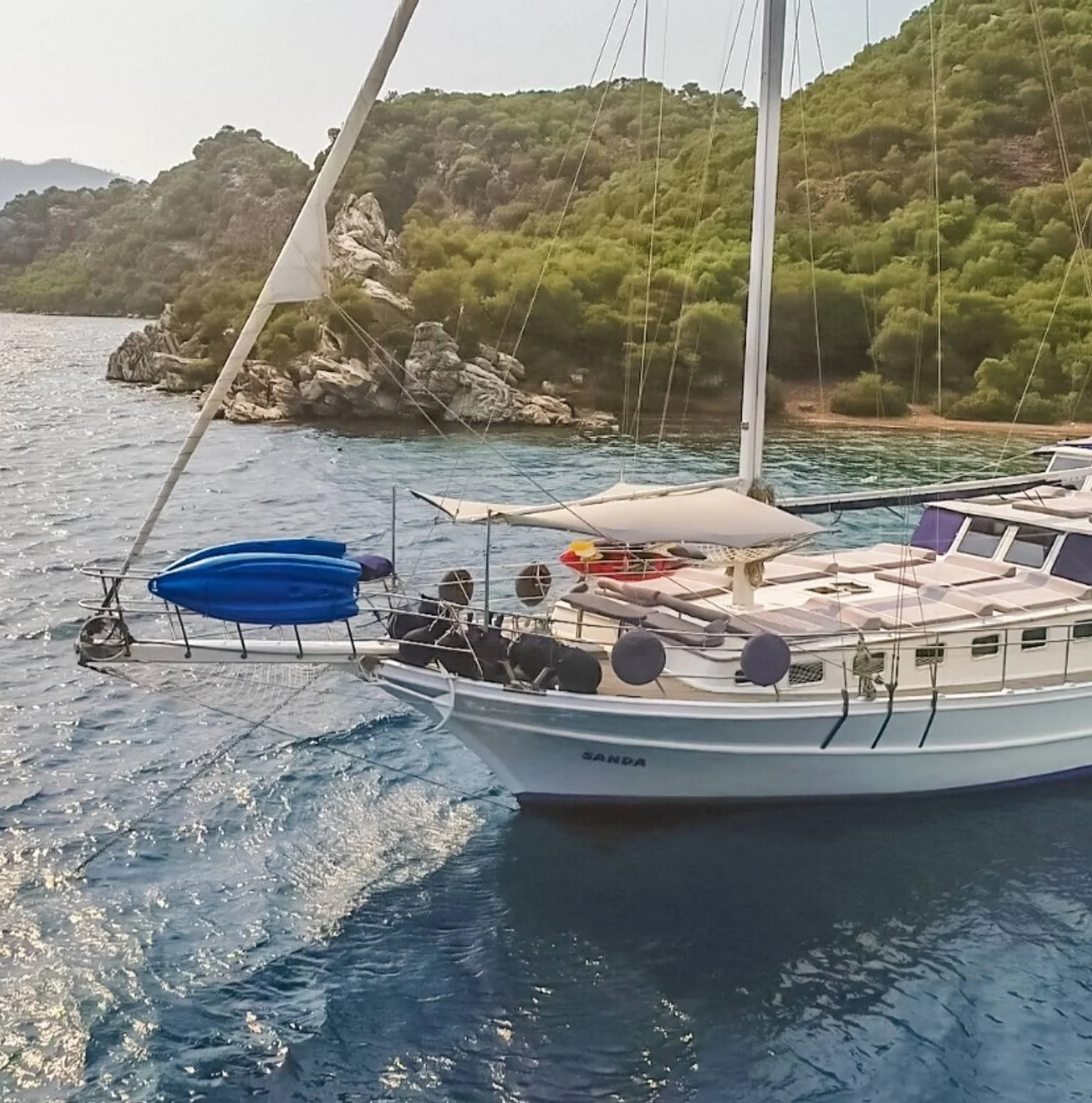
Sailing Turkey’s Lycian Coast on a Gulet: A First-Timer’s Guide to the Blue Cruise
A Blue Cruise is the most relaxed way to see Turkey’s turquoise coast: three to seven days on a traditional wooden gulet, swimming off the boat every morning and anchoring in a different bay every night. On the popular four-day route from Fethiye to Olympos you’ll pass Butterfly Valley, the harbour town of Kaş and the sunken city of Kekova — places that roads barely reach.
What exactly is a gulet?
A gulet is a broad, two-masted wooden boat built on the Aegean and Mediterranean coast of Turkey, originally for fishing and trade. Today’s gulets are built for comfort rather than speed: a big shaded deck with cushions, a long dining table, eight to twelve compact cabins with small bathrooms, and a crew of three or four — captain, cook and deckhands.
The name “Blue Cruise” (Mavi Yolculuk in Turkish) goes back to writers and artists who sailed this coast in the 1950s and 60s. The spirit hasn’t changed: slow days, simple pleasures, the sea as your swimming pool.
Which route should I choose?
For a first cruise, the Fethiye–Olympos route is hard to beat because it packs the most variety into a few days. A typical four-day itinerary looks like this:
- Day 1: Board in Fethiye, swim at Gemiler Island with its Byzantine church ruins.
- Day 2: Butterfly Valley — a deep gorge ending in a beach — then on towards Kalkan or Kaş.
- Day 3: Kekova, where you glide over the walls of a sunken Lycian town, and the castle village of Simena.
- Day 4: Disembark near Demre and transfer to Olympos, famous for its ruins in the forest and the eternal flames of the Chimaera.
Longer cruises add the Gulf of Göcek’s pine-fringed bays or continue towards the Bodrum peninsula. The captain may change the order of stops with the wind; that flexibility is part of the charm.
When is the best time for a Blue Cruise?
The season runs from about May to October. Our honest advice: aim for June or September. The sea is warm (around 24–27 °C), the meltemi wind is gentler, and the most popular bays are far quieter than in July and August, when temperatures on land often climb above 35 °C. May and October are lovely too, with cooler evenings — bring a light jacket.
What is life on board really like?
Days fall into an easy rhythm. Breakfast on deck, a swim before the engine starts, a few hours of cruising with a book in the shade, lunch at anchor and another swim, then an afternoon stop to explore a village or ruin. Dinner is served on deck as the sun goes down. Some guests sleep on the deck cushions under the stars on hot nights.
The cook is the unsung hero of every gulet. Expect breakfast spreads of olives, cheese, tomatoes, eggs and honey; lunches of mezze and salads; and grilled fish or chicken for dinner. Vegetarians are well looked after — tell the operator in advance.
How comfortable are the cabins?
Cabins are compact but clean, usually with a double bed or two singles, air conditioning that runs when the generator is on, and a tiny private bathroom. Think of the cabin as a place to sleep and change; the deck is where you live. If space matters to you, ask about the cabin layout before booking.
What should I pack?
- A soft bag rather than a hard suitcase — it has to fit under a bed.
- Two swimsuits, a cover-up and a light long-sleeved shirt for the sun.
- Reef-safe sunscreen, a hat and sunglasses.
- Water shoes for rocky beaches and a small dry bag for shore visits.
- Cash (Turkish lira or euros) for the bar tab, tips and harbour towns.
Is a gulet cruise good value?
A shared-cabin cruise usually includes your berth, meals and the services of the crew, which makes it surprisingly good value compared with hotel nights plus restaurants and day-boat trips on the same coast. Budget extra for drinks, entrance fees at sites like Kekova or Olympos and a tip for the crew at the end — a good crew earns it.
If this sounds like your kind of holiday, a short cruise is the perfect way to finish a trip that started in Istanbul or Cappadocia. Your body will thank you after all those early starts at the ruins.